 Text Us Now
If you’ve been experiencing jaw pain, headaches, or difficulty chewing, you might be wondering whether TMJ disorder could be the culprit. At Advocate Dental of Palatine, we understand how frustrating these symptoms can be, and we’re here to help you get answers. Let’s walk through what you can expect during a TMJ evaluation and how we determine whether you’re dealing with temporomandibular joint dysfunction.
What Happens During Your Initial Visit
When you come to our Palatine office concerned about possible TMJ disorder, Dr. George Skoog will start with a comprehensive conversation about your symptoms. We’ll ask about:
• The location and frequency of your pain
• Whether you hear clicking or popping sounds when you open your mouth
• If you experience headaches, especially in the morning
• Any difficulty chewing or a feeling that your bite is “off”
• Whether you’ve noticed jaw locking or limited mouth opening
This detailed discussion helps us understand the full picture of what you’re experiencing and is a crucial first step in diagnosing TMD.
The Physical Examination Process
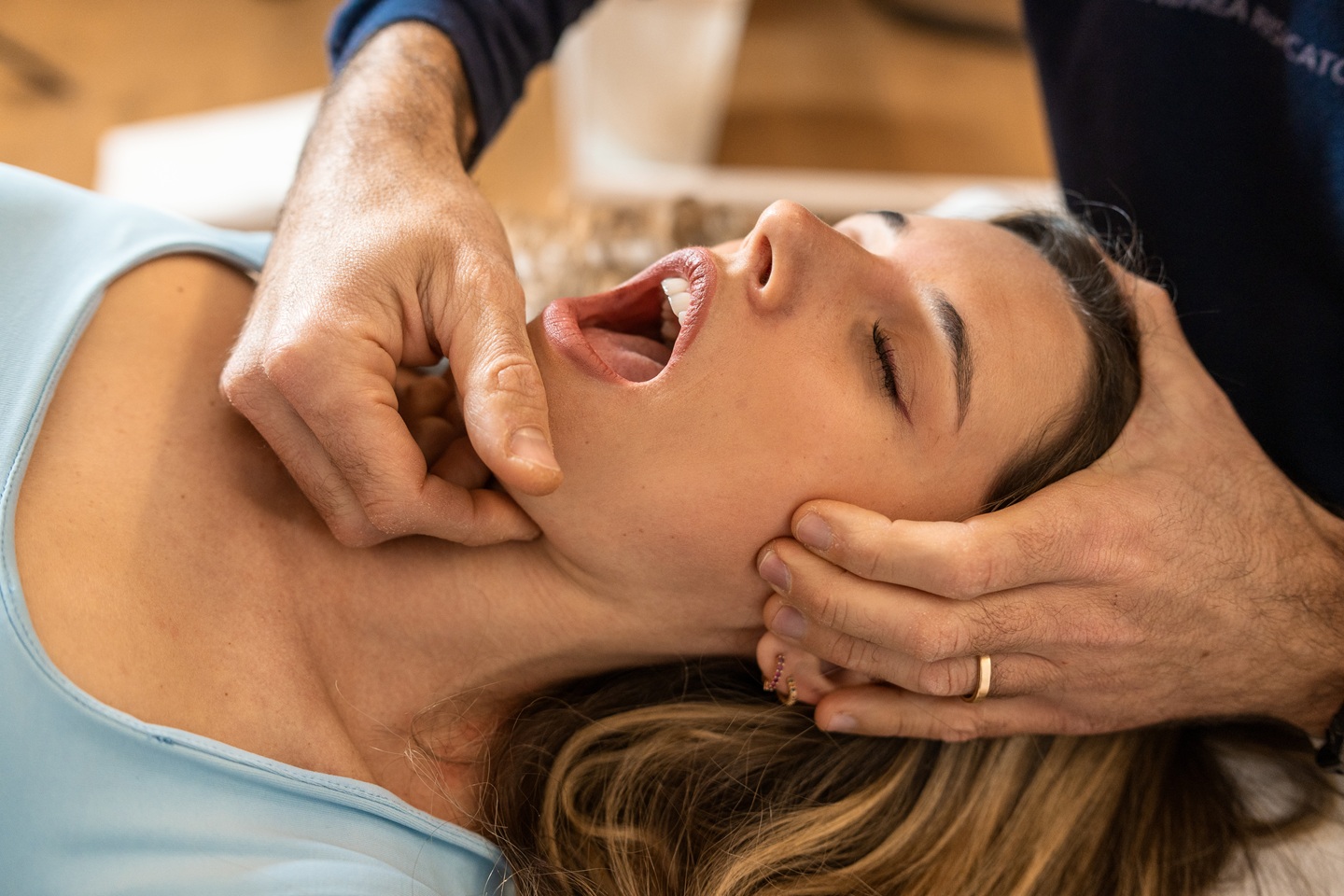
TMJ diagnosis involves a hands-on examination of your jaw, face, and neck. Dr. Skoog will carefully palpate the muscles around your jaw to identify areas of tenderness or tension. We’ll also observe how your jaw moves when you open and close your mouth, listening for any clicking, popping, or grinding sounds that might indicate joint problems.
During this examination, we’ll check:
• The range of motion in your jaw
• How your teeth come together when you bite
• Signs of teeth grinding or clenching
• Muscle tenderness in your face, neck, and shoulders
• Joint sounds and irregularities
Advanced Diagnostic Tools
Sometimes, diagnosing TMJ requires looking beyond what we can see and feel during a physical exam. Depending on your symptoms, we may recommend diagnostic imaging to get a clearer picture of what’s happening with your temporomandibular joint.
Digital X-rays can reveal structural problems with the jaw joint and surrounding bones. In some cases, we might suggest more advanced imaging like a CT scan or MRI to examine the soft tissues, including the articular disc within the joint. These imaging studies help us understand the extent of any damage or inflammation and guide our treatment recommendations.
Evaluating Your Bite and Jaw Alignment
A critical component of a thorough TMJ evaluation involves analyzing how your upper and lower teeth fit together. Bite problems, also known as malocclusion, can contribute significantly to TMJ disorder. We’ll examine whether your teeth are properly aligned and if your jaw sits in a balanced position when at rest.
Dr. Skoog may also assess whether you show signs of bruxism (teeth grinding or clenching), which often goes hand-in-hand with TMJ issues. Evidence of worn tooth surfaces, fractured teeth, or damage to dental work can all point toward nighttime grinding that’s stressing your jaw joints.
Creating Your Personalized Treatment Plan
Once we’ve completed your comprehensive TMJ diagnosis, we’ll discuss our findings with you in detail. The good news is that many TMJ cases can be effectively managed with conservative treatments. Depending on what we discover during your evaluation, we may recommend options ranging from lifestyle modifications and physical therapy exercises to custom oral appliances or other interventions.
At Advocate Dental of Palatine, we’re committed to helping you find relief from TMJ pain and restoring your quality of life.
If you’re experiencing symptoms that might indicate TMJ disorder, don’t wait to seek help. Call our Palatine office at (847) 359-8732 to schedule your TMJ evaluation with Dr. George Skoog today.









Leave A Comment
You must be logged in to post a comment.