 Text Us Now

When cold and flu season hits, most of us focus on getting better as quickly as possible. Between managing symptoms and catching up on rest, oral health when sick often takes a back seat. However, understanding how illness affects your teeth and maintaining proper dental care during cold and flu season is essential for preventing long-term damage to your smile.
How Being Sick Impacts Your Oral Health
Does being sick affect your oral health? Absolutely. When you’re fighting off a cold or flu, your mouth faces several unique challenges that can compromise your dental health.
Common Oral Health Challenges During Illness
Several factors contribute to oral health problems when you’re under the weather:
• Dehydration and reduced saliva production lead to dry mouth, which removes your mouth’s natural defense against bacteria
• Mouth breathing when your nose is congested further dries out oral tissues and creates an environment where bacteria thrive
• Vomiting from stomach flu exposes your teeth to stomach acid, leading to acid erosion of enamel
• Sinus pressure can create tooth sensitivity and discomfort that mimics dental problems
• Bad breath when sick becomes more noticeable due to dry mouth and bacterial overgrowth
Medications and Your Teeth
While medications help you recover, many common remedies can harm your teeth. Cough drops, even those that seem medicinal, often contain high amounts of sugar that feed cavity-causing bacteria. Cough syrup and other liquid medicines typically have sugar and acidic ingredients that coat your teeth. Whenever possible, choose sugar-free lozenges and rinse your mouth with water after taking any liquid medicine.
How to Take Care of Your Teeth When You Have the Flu
Protecting teeth when sick requires some adjustments to your normal routine. Here are practical strategies for maintaining dental care during cold and flu season:
Stay Hydrated
Drinking plenty of water helps combat dry mouth and supports saliva production, your mouth’s natural cleaning mechanism. Sip water throughout the day to keep your mouth moist and help wash away bacteria and food particles.
Should I Brush My Teeth After Throwing Up?
This is one of the most common questions we hear at Advocate Dental of Palatine. The answer is no—at least not immediately. When vomiting occurs, stomach acid softens your enamel temporarily. If you brush right away, you risk causing enamel damage.
Instead, wait to brush after vomiting for at least 30 minutes. In the meantime, use a baking soda rinse (one teaspoon of baking soda in a cup of water) or a salt water rinse to neutralize acids and cleanse your mouth. These rinses help restore your mouth’s pH balance without harming softened enamel.
Practice Gentle Brushing
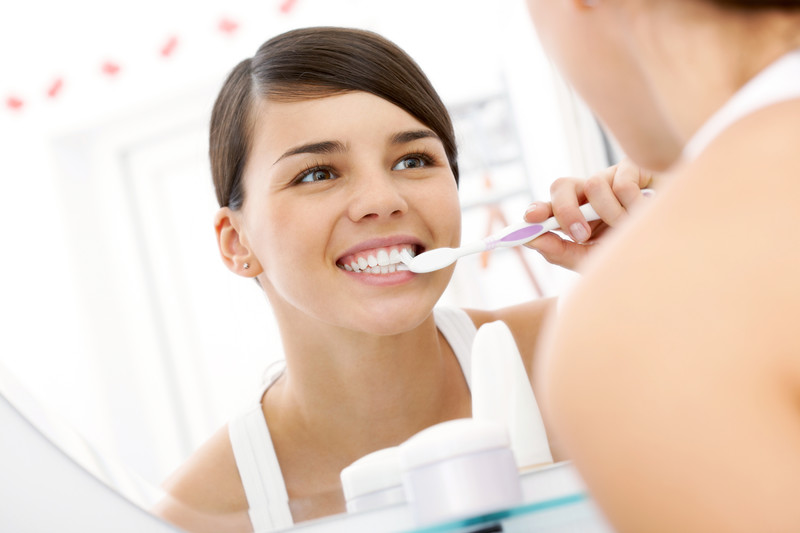
When you do brush, use gentle brushing techniques with a soft-bristle toothbrush. Your mouth may be more sensitive during illness, and aggressive brushing can irritate already compromised tissues.
Replace Your Toothbrush
Once you’re feeling better, replace your toothbrush to avoid reinfecting yourself with lingering germs. This simple step helps ensure you’re starting fresh with a clean slate.
When to Contact Dr. George Skoog
While most cold and flu symptoms resolve on their own, some situations warrant professional attention. If you experience persistent tooth pain that doesn’t improve after you recover, severe acid erosion, or any dental emergency during illness, don’t hesitate to reach out to our emergency dentistry team.
Taking care of your oral health when sick doesn’t have to be complicated. By staying mindful of these tips and maintaining gentle oral hygiene practices, you can protect your smile even when you’re feeling under the weather. If you have questions about protecting teeth when sick, call Advocate Dental of Palatine at (847) 359-8732 to speak with our caring team.







Leave A Comment
You must be logged in to post a comment.