 Text Us Now
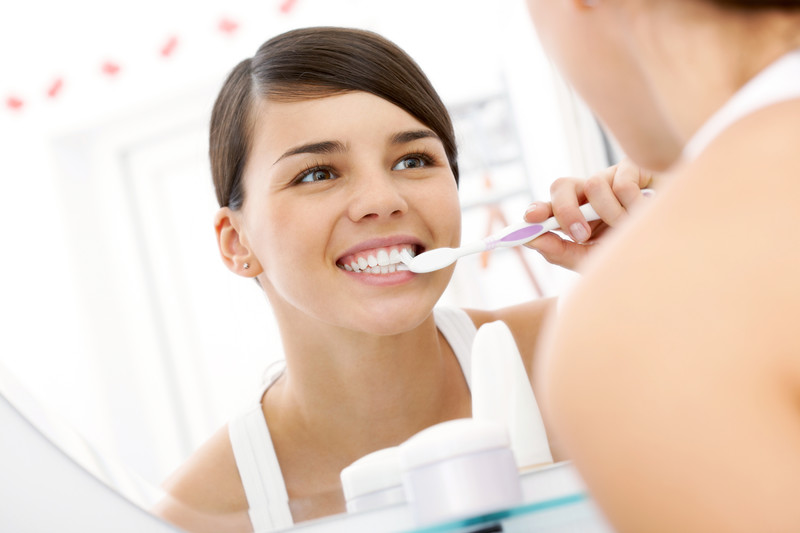
When cold and flu season rolls around, most of us focus on staying healthy with hand washing, vitamins, and plenty of rest. But did you know that being sick can take a serious toll on your teeth and gums? Understanding how illness affects your teeth and how to take care of your teeth when you have the flu can help you maintain your smile even when you’re feeling under the weather.
How Does Being Sick Affect Your Oral Health?
Does being sick affect your oral health? You might be surprised to learn that it does—and in several ways. When you’re battling a cold or flu, your body’s defenses are compromised, which can create the perfect storm for dental problems.
Dehydration is one of the biggest culprits. When you’re sick, you may not drink enough fluids, and a fever can make matters worse. This leads to dry mouth, a condition where your saliva production decreases significantly. Saliva is your mouth’s natural defense system, washing away bacteria and neutralizing acids. Without adequate saliva, you’re more vulnerable to cavities and bad breath when sick.
Mouth breathing is another common issue when you’re congested. Breathing through your mouth all night dries out your oral tissues even more, compounding the dry mouth problem. You might also experience sinus pressure that causes tooth pain or sensitivity in your upper teeth.
The Hidden Dangers of Medications and Remedies
While cough drops and cough syrup help soothe your symptoms, they can harm your teeth. Many over-the-counter remedies contain high amounts of sugar, which feeds harmful bacteria in your mouth. Liquid medicine coats your teeth with sugar, creating an acidic environment that promotes decay.
The good news? You can opt for sugar-free lozenges instead of traditional cough drops. If you must take liquid medications, try to rinse your mouth with water afterward to minimize the damage.
Dental Care During Cold and Flu Season
Protecting teeth when sick requires a slightly modified approach to your normal routine. Here are some essential tips for maintaining oral health when sick:
Should I Brush My Teeth After Throwing Up?
This is one of the most common questions we hear at Advocate Dental of Palatine. The answer might surprise you: wait to brush after vomiting. When you vomit, stomach acid coats your teeth. This acid erosion temporarily softens your enamel, and brushing immediately can cause enamel damage by scrubbing away the weakened surface.
Instead, rinse your mouth with water or a baking soda rinse (one teaspoon of baking soda in a cup of water). You can also use a saltwater rinse to neutralize acids. Wait at least 30 minutes before gentle brushing.
Stay Hydrated and Keep Your Mouth Moist
Combat dry mouth by drinking plenty of water throughout the day. Staying hydrated not only helps your body fight illness but also maintains healthy saliva production. Keep a water bottle at your bedside and sip regularly.
Replace Your Toothbrush
Once you’re feeling better, replace your toothbrush immediately. Your old brush can harbor germs and potentially reinfect you. At Advocate Dental of Palatine, Dr. George Skoog, DDS, recommends replacing your toothbrush after any illness to ensure optimal oral hygiene.
When to Seek Professional Help
If you experience severe tooth pain, persistent sensitivity, or suspect you’ve damaged your enamel during illness, don’t wait to contact our office. Sometimes what seems like sinus pressure could actually be a dental issue requiring emergency dentistry attention.
We understand that being sick can create unexpected expenses, which is why we offer various financial options to help make dental care accessible when you need it most.
Taking care of your oral health when sick doesn’t have to be complicated. By following these simple strategies for dental care during cold and flu season, you can protect your smile while your body focuses on recovery. If you have questions or concerns about your oral health, call us at (224) 203-2623 to schedule an appointment with Dr. Skoog.









Leave A Comment
You must be logged in to post a comment.